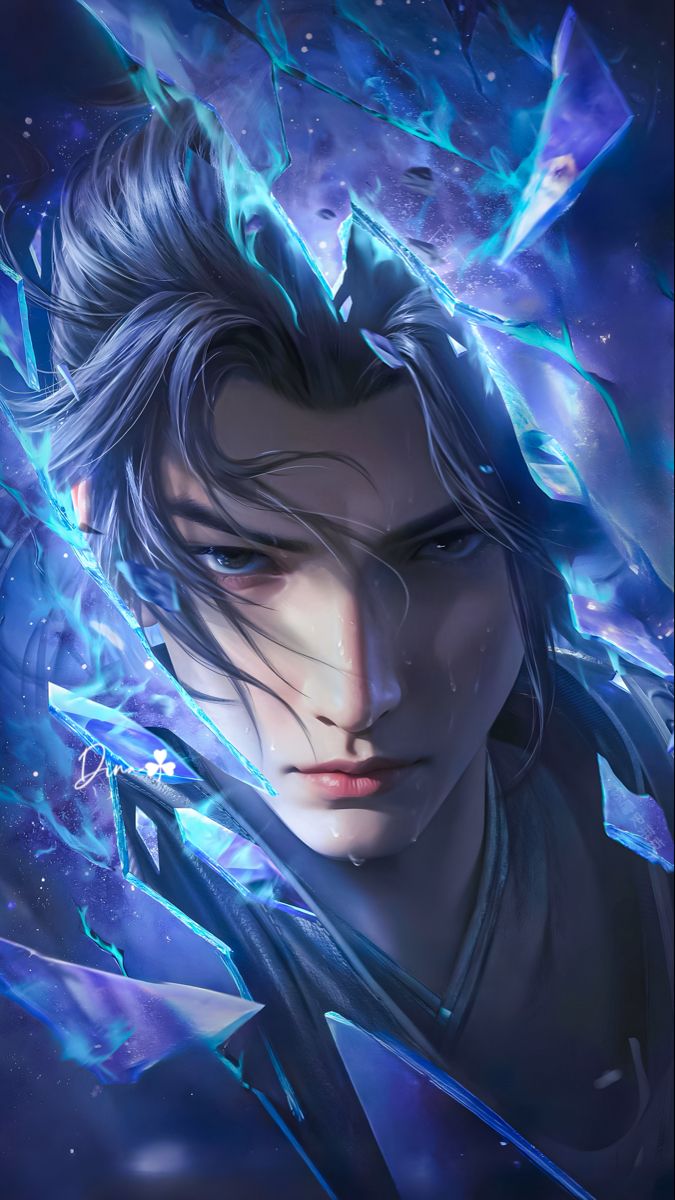
Intro
To be completely honest, I stumbled into the world of donghua the exact same way most anime fans do. It started with a random, short clip popping up out of nowhere on my feed. The animation was so fluid it made me stop scrolling, and I had a vague sense that I had been sleeping on an entire world of storytelling without knowing it.
What Even Is Donghua
Donghua is deeply rooted in thousands of years of Chinese literature, mythology, and philosophy. At its heart is xianxia: stories of ancient sects and spiritual cultivation, centered on the long, grueling journey of an ordinary mortal transcending humanity to become something far beyond it.
Cultivation
This is exactly what makes donghua so deeply fascinating to me. It is also why, for the vast majority of international viewers, xianxia has become the defining genre of the entire medium. The cultivation system is the ultimate power progression engine: characters train their bodies and spirits from absolute zero, climbing step by step toward immortality. What makes cultivation stories so compelling is the philosophy behind them. The belief that strength is earned and that the world has rules that can be understood, mastered, and eventually transcended.
The Fight Sequences
Fights in donghua operate on a totally different level. There are no unearned, plot-armor power-ups here. Every single ability in a battle is directly tied to the worldbuilding. A character's combat ability is a direct reflection of their hard-earned cultivation level, their mastered martial techniques, and the spiritual weapons at their disposal.
Animation
This is where donghua divides people, and it's worth being honest about it. The genre uses a blend of traditional 2D art and CGI that takes some adjustment if you come from Japanese anime. The CGI blend most donghua studios use can feel stiff in early episodes, and first seasons of long-running shows rarely look like what they eventually become. But when donghua animation clicks, it produces some of the most visually distinctive sequences in all of animation. If you give it time, the visual evolution alone becomes part of the experience, and the best sequences stand alongside the most impressive work in any style of animation.
The World Building
The cultivation worlds these shows build are enormous. They're layered with sect politics, ancient history, ranked power systems, divine artifacts with their own legends, and rivalries that span generations. Donghua creates universes that exist independently of the immediate storyline. Things happened before the protagonist arrived, and things will continue after.
Another thing donghua does masterfully is shared universes. Shows like Battle Through the Heavens and The Great Ruler all exist within the same verse: different stories, different protagonists, and different corners of an interconnected world featuring characters from one series appearing as legends in another.
For a viewer who follows more than one of these series, this creates an experience unlike almost anything else in animation: the slow realization that the world you've been watching is larger than the story you're currently in and that the legends referenced in passing actually have their own stories already told elsewhere. It rewards your dedication to the lore in a way that feels genuinely rare.
If you've never watched donghua before, consider this your official sign to start. I'll be dropping a curated list of my favorites very soon. Keep an eye out for it. Give donghua a try and trust me. Your watchlist is about to get a lot longer.
~RR